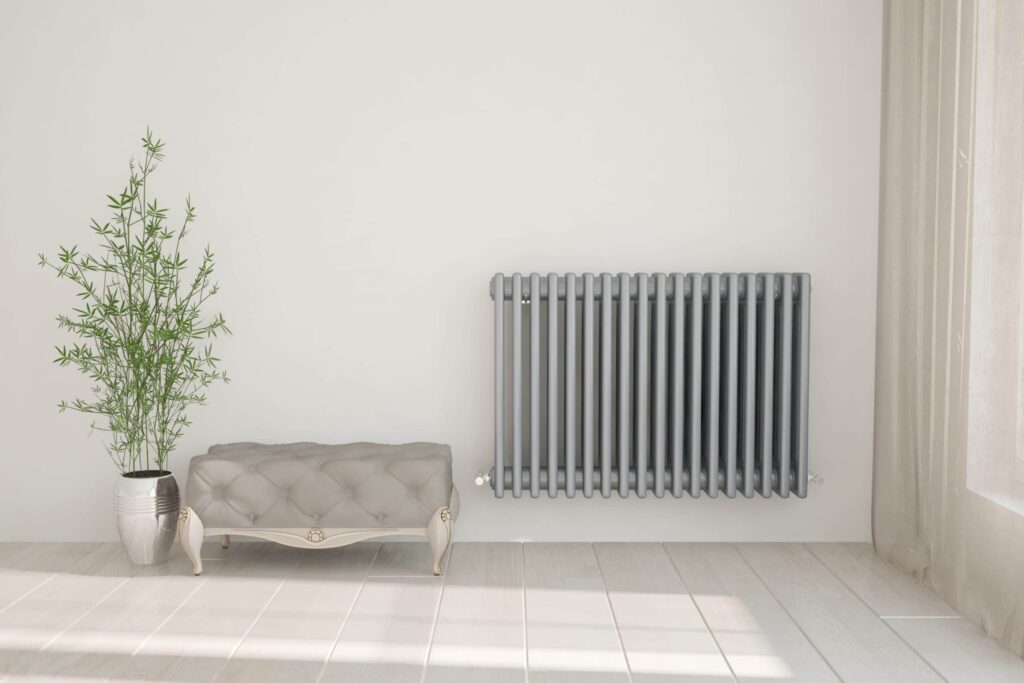
Cold Radiators? How to Bleed a Radiator
How to Bleed a Radiator
If your radiators are taking longer to warm up, feel cold at the top, or you’re noticing higher heating bills despite using your heating as normal, trapped air inside your heating system could be the cause.
Fortunately, bleeding a radiator is one of the simplest heating maintenance tasks most homeowners can carry out themselves. Removing trapped air allows hot water to circulate properly, helping your radiators heat evenly and your boiler work more efficiently.
Learn how to recognise the signs, how to bleed your radiators safely, when to call a heating engineer, and why regular maintenance helps keep your central heating system performing at its best.
How Do You Know if Your Radiators Need Bleeding?
The most common sign is a radiator that feels hot at the bottom but noticeably cooler at the top.
This happens because air naturally rises inside the radiator, creating a pocket that prevents hot water from circulating through the entire panel.
Other common symptoms include:
| Sign | What It Usually Means |
|---|---|
| Cold spots near the top | Air trapped inside the radiator |
| Radiator takes a long time to heat up | Restricted circulation |
| Gurgling or bubbling noises | Air moving through the heating system |
| Some radiators heat while others stay cool | Air imbalance within the system |
| Higher energy bills | Boiler working harder to achieve the same temperature |
If several radiators are affected, or they repeatedly require bleeding, there may be an underlying issue with the heating system that should be inspected by a qualified heating engineer.
Why Do Radiators Need Bleeding?
Central heating systems circulate hot water through a sealed network of pipes and radiators.
Over time, tiny amounts of air can enter the system during maintenance, repairs or naturally through the water itself. Because air is lighter than water, it collects at the highest point inside each radiator.
This trapped air:
- Reduces the surface area that heats up
- Makes your boiler work harder
- Increases heating costs
- Creates uneven room temperatures
- Can shorten the lifespan of your heating system if left unresolved
Bleeding your radiators removes this trapped air, allowing hot water to circulate freely once again.
How to Bleed a Radiator Safely
Most homeowners can bleed a radiator in just a few minutes using basic tools.
What You’ll Need
- Radiator bleed key (or flat-head screwdriver on some radiators)
- Small cloth or towel
- Container or small bowl (optional)
- Protective gloves (recommended)
How to Bleed a Radiator: Easy Step by Step Guide
To bleed a radiator, you will need:
Radiator key or flathead screwdriver
Cloth or towel to catch water
Step 1
Start by tuning off the heating and waiting until your radiators have cooled down. There is a risk of water spurting out and we don’t want this when it’s hot! Remember to place your towel around the radiator or have your cloth at hand to quickly wipe up any spillages.
Step 2
Locate the valve on the side of your radiator (usually situated at the top) and slot your radiator key on top of the groove. Slowly turn this anti clockwise until you start to hear air hissing out (usually half a turn). As the air is leaving the radiator the hot water will slowly start to rise up your radiator.
Step 3
Once the hissing has stopped (it can take between 20 seconds to a minute depending on the size of the radiator) water will start to spill out (this is where you need your towel) as there is no more air left in it, quickly retighten the valve in a clockwise motion and double check there is no more water coming out.
Step 4
Turn your heating back on. If the radiator is now evenly heating up, then you have successfully bled your radiator.
Step 5
Check your boiler pressure! Bleeding radiators can cause the pressure in your boiler to lower. If this occurs, you may need to re-pressurise it.
Most modern boilers operate best between 1.0 and 1.5 bar when cold, although you should always follow the manufacturer’s guidance for your particular model.
If the pressure has dropped too low, you may need to repressurise the system.
How Often Should Radiators Be Bled?
For most homes, bleeding radiators once a year is sufficient.
The best time is during late summer or early autumn, before colder weather arrives and your heating system begins working harder.
You should also bleed radiators whenever you notice:
- Cold spots
- Gurgling sounds
- Uneven heating
- Radiators taking longer to warm up
When Bleeding the Radiator Doesn’t Solve the Problem
If you’ve bled your radiators and they’re still not heating properly, the issue may be more complex.
Possible causes include:
| Possible Issue | Professional Solution |
| Sludge build-up | Heating system flush |
| Faulty thermostatic radiator valve (TRV) | Valve replacement |
| Circulation pump fault | Pump inspection or repair |
| Boiler pressure problems | Boiler diagnosis |
| Air repeatedly entering the system | Leak investigation |
If several radiators remain cold or you find yourself bleeding them regularly, it’s worth arranging a professional inspection to identify the underlying cause before it develops into a larger repair.
Does Bleeding Radiators Save Money?
It can.
Radiators that heat evenly allow your boiler to warm your home more efficiently. When heat is distributed properly, your heating system spends less time working to reach your desired temperature.
While the exact savings depend on your property, boiler and heating habits, maintaining your radiators is one of the simplest ways to improve the overall efficiency of your central heating system.
Keep Your Heating System Performing at Its Best
Bleeding your radiators is one of the simplest ways to improve the comfort and efficiency of your home. Combined with annual boiler servicing and routine heating maintenance, it helps reduce the likelihood of breakdowns, improves energy efficiency and keeps your central heating performing reliably throughout the colder months.
If your radiators still aren’t heating properly after bleeding, or you’re experiencing recurring heating issues, the experienced team at Avenue Heating can diagnose the problem and recommend the most effective solution.
If you require any help with your plumbing then contact Avenue Heating on 01923 537 118 or email hello@avenueheating.com